All travellers must meet the relevant Romanian and Schengen entry conditions before travelling. Visa-required third-country nationals must also meet the applicable visa eligibility requirements before travel.
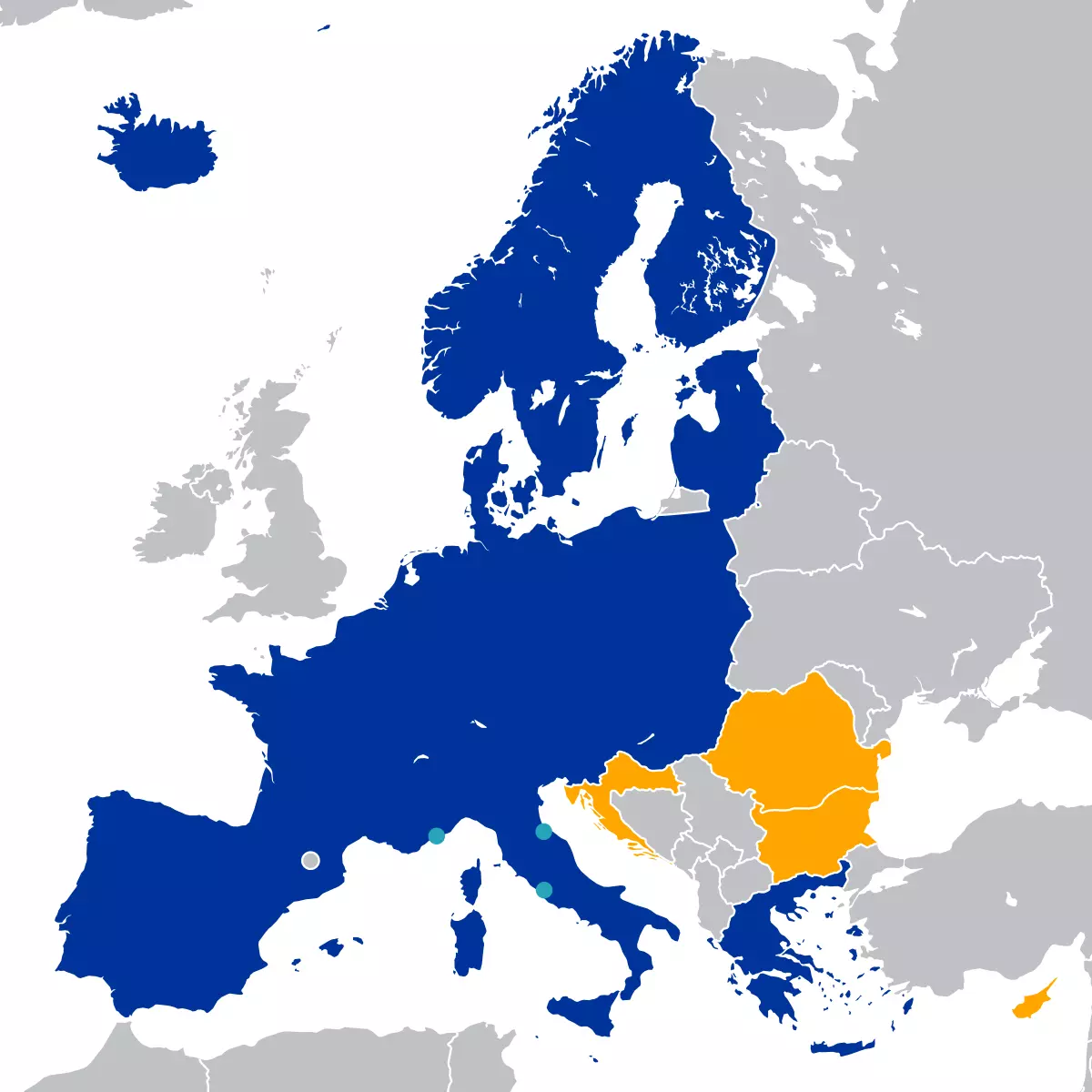
Romania is a full member of the Schengen area. Romania issues Schengen visas for short stays of up to 90 days in any 180-day period and applies the common Schengen visa rules for short-stay visas.
Who Needs a Visa to Enter Romania
You may need to apply for a Schengen visa or Romanian national visa if you:
- Are a citizen of a country whose nationals are required to hold a Schengen visa for short stays.
- Do not hold a valid Schengen visa, national long-stay visa or residence permit issued by a Schengen country that permits the intended travel.
- Plan to stay in Romania for more than 90 days for purposes such as study, work, family reunification or residence, in which case a Romanian national long-stay visa and/or residence permit route may be required.
- Are transiting through Romania and are subject to the airport transit visa requirement or other applicable visa requirement, unless an exemption applies.
Visa-exempt nationals can enter Romania and the wider Schengen area without a short-stay visa for up to 90 days in any 180-day period, provided they meet the Schengen entry conditions and do not carry out activities requiring a work, residence or national authorisation.
Who Does Not Need a Visa
You do not need a Romania visa if you are:
- A citizen of an EU, EEA country or Switzerland.
- A holder of a valid Schengen visa, or a national long-stay visa issued by a Schengen country, where the document is valid for the intended travel.
- A holder of a valid residence permit issued by a Schengen country, where the document is valid for the intended travel.
- A UK residence permit or Biometric Residence Permit does not by itself exempt a visa-required national from the Schengen visa requirement for Romania. Visa-required travellers resident in the UK should check whether they need a Schengen visa before travelling.
- A national of a visa-exempt country, including the United States, Canada, United Kingdom, Japan, Australia, New Zealand, and South Korea.
Travellers under these categories may enter Romania without a separate Romanian short-stay visa, provided they meet the Schengen entry conditions and their visa, residence permit or visa-free status is valid for the intended travel. Stays in Romania count towards the Schengen limit of 90 days in any 180-day period.
General Entry Conditions
To be eligible for entry into Romania, travellers must meet the applicable Schengen entry conditions, including where relevant:
- Hold a valid passport or travel document issued within the last 10 years and valid for at least 3 months after the planned departure from the Schengen area.
- Have sufficient funds to cover the duration of stay and onward travel.
- Provide proof of accommodation or travel plans in Romania.
- Hold valid travel medical insurance, where required, covering emergency medical care, hospitalisation and repatriation, valid throughout the Schengen area and for the whole intended stay, with minimum coverage of EUR 30,000.
- Have no alert for refusal of entry in the Schengen Information System and no entry ban or other restriction preventing entry into Romania or another Schengen country.
Visa Types and Eligibility
Romania issues short-stay Schengen visas and national long-stay visas depending on purpose and duration. The main categories include:
- Short-Stay Schengen Visa (Type C): For tourism, business, medical treatment, family visits or short-term cultural activities lasting up to 90 days in any 180-day period.
- Long-Stay National Visa (Type D): For entry into Romania for purposes such as residence, study, employment or family reunification. A Romanian long-stay visa is granted for up to 90 days and may allow the holder to apply in Romania for an extension of the right of stay and a residence permit, where eligible.
- Airport Transit Visa (Type A): For nationals who are subject to the airport transit visa requirement and need to transit through the international transit area of a Romanian airport without entering the Schengen area.
Each visa category has specific documentation and approval criteria.
See Documents Required (2026) for detailed checklists.
Special Visa Exemptions
Romania recognises certain Schengen documents for short-stay entry. You do not need a separate Romanian short-stay visa if you hold:
- A valid Schengen visa that permits the intended travel, including any required number of entries.
- A valid residence permit issued by a Schengen country.
- A valid residence permit issued by a Schengen country, including Bulgaria, Croatia or Romania. A Cyprus residence permit alone is no longer a Schengen visa exemption for Romania after Romania’s Schengen accession.
- A valid UK residence permit or long-term UK visa does not by itself exempt a visa-required national from the Schengen visa requirement for Romania.
These exemptions apply only where the visa or residence permit is valid for the intended travel and the traveller meets the Schengen entry conditions. Stays in Romania count towards the Schengen limit of 90 days in any 180-day period.
Who Is Not Eligible for a Visa
Romanian embassies may refuse to issue a visa if an applicant:
- Has previously violated Romanian or Schengen immigration rules.
- Cannot demonstrate sufficient financial means or travel purpose.
- Has submitted fraudulent or incomplete documentation.
- Is subject to an alert for refusal of entry in the Schengen Information System, an entry ban, or another public policy, internal security, public health or international relations ground for refusal.
Proof of Financial Means
Applicants must demonstrate the ability to cover expenses during their stay:
- Short-stay visas: applicants must show sufficient means of subsistence for the intended stay and return or onward travel. Romania’s published national financial-means requirement has commonly been EUR 50 per day, with at least EUR 500 total, but applicants should check the current requirement published by the competent Romanian mission or the Romanian e-Visa portal before applying.
- Long-stay visas: evidence of financial means depends on the visa purpose and Romanian national rules. Applicants should check the official requirements for the specific long-stay category, such as work, study, family reunification or other residence purpose.
Bank statements, payslips, or sponsor letters are accepted forms of proof.
Health and Security Requirements
All applicants must:
- Provide a medical certificate (if required for long-term visas).
- Hold travel medical insurance, where required, valid throughout the Schengen area for the whole intended stay, covering emergency medical care, hospitalisation and repatriation, with minimum coverage of EUR 30,000.
- Not pose a threat to public health, security, or public order in Romania.
Common Ineligibility Reasons (2026)
Romanian embassies frequently refuse visa applications for:
- Inadequate documentation or missing translations.
- Unclear travel purpose (especially for tourism or business).
- Insufficient financial or employment proof.
- Previous Schengen or Romanian visa overstays, breaches of visa conditions, entry bans or alerts for refusal of entry.
Related Guidance
- Romania Visa Application Guide (2026)
- Romania Visa Fees (2026)
- Romania Visa Processing Times (2026)
- Romania Visa Eligibility Requirements (2026)
About This Page
Author: Visa Applications Editorial Team
Reviewed by: Michael Gibbons, Regulated Immigration Adviser.
Last Updated: 11 June 2026.