Visa Applications

Visa Applications
information centre

  • Apply Now
  • EU
    EU
    Short-Stay Schengen
    Long-Stay National
    Schengen Transit
    Single Entry Schengen
    Double Entry Schengen
    Multiple Entry Schengen
    Schengen Countries
  • UK
    UK
    UK Standard Visitor
    UK Skilled Worker
    UK Study
    UK Family
    UK Parent
    UK Spouse
    UK Business
    UK Transit
  • USA
    USA
    ESTA Visa Waiver
    B1 Business Visa
    B2 Tourist Visa
    B1/B2 Business & Tourism
    C-1 Transit
    J-1 Exchange Visitor
    H-1B Temporary Work
    DS-160 Non-Immigrant Petition
  • News
  • Apply Now
  • EU
    • Short-Stay Schengen
    • Long-Stay National
    • Schengen Transit
    • Single Entry Schengen
    • Double Entry Schengen
    • Multiple Entry Schengen
    • Schengen Countries
  • UK
    • UK Standard Visitor
    • UK Skilled Worker
    • UK Study
    • UK Family
    • UK Parent
    • UK Spouse
    • UK Business
    • UK Transit
  • USA
    • ESTA Visa Waiver
    • B1 Business Visa
    • B2 Tourist Visa
    • B1/B2 Business & Tourism
    • C-1 Transit
    • J-1 Exchange Visitor
    • H-1B Temporary Work
    • DS-160 Non-Immigrant Petition
  • News

Visa Applications

  • European Visas
  • United States Visas
  • UK Visas

Quicklinks

  • Contact

Legal

  • Privacy Policy
  • Terms & Conditions
Visa Applications

Visa Applications
information centre

Copyright © 2026 Visa Applications. All rights reserved.

What is a Schengen visa and how does it work?

What is a Schengen visa and how does it work?

  1. Home
    »
  2. Blog
    »
  3. What is a Schengen visa and how does it work?

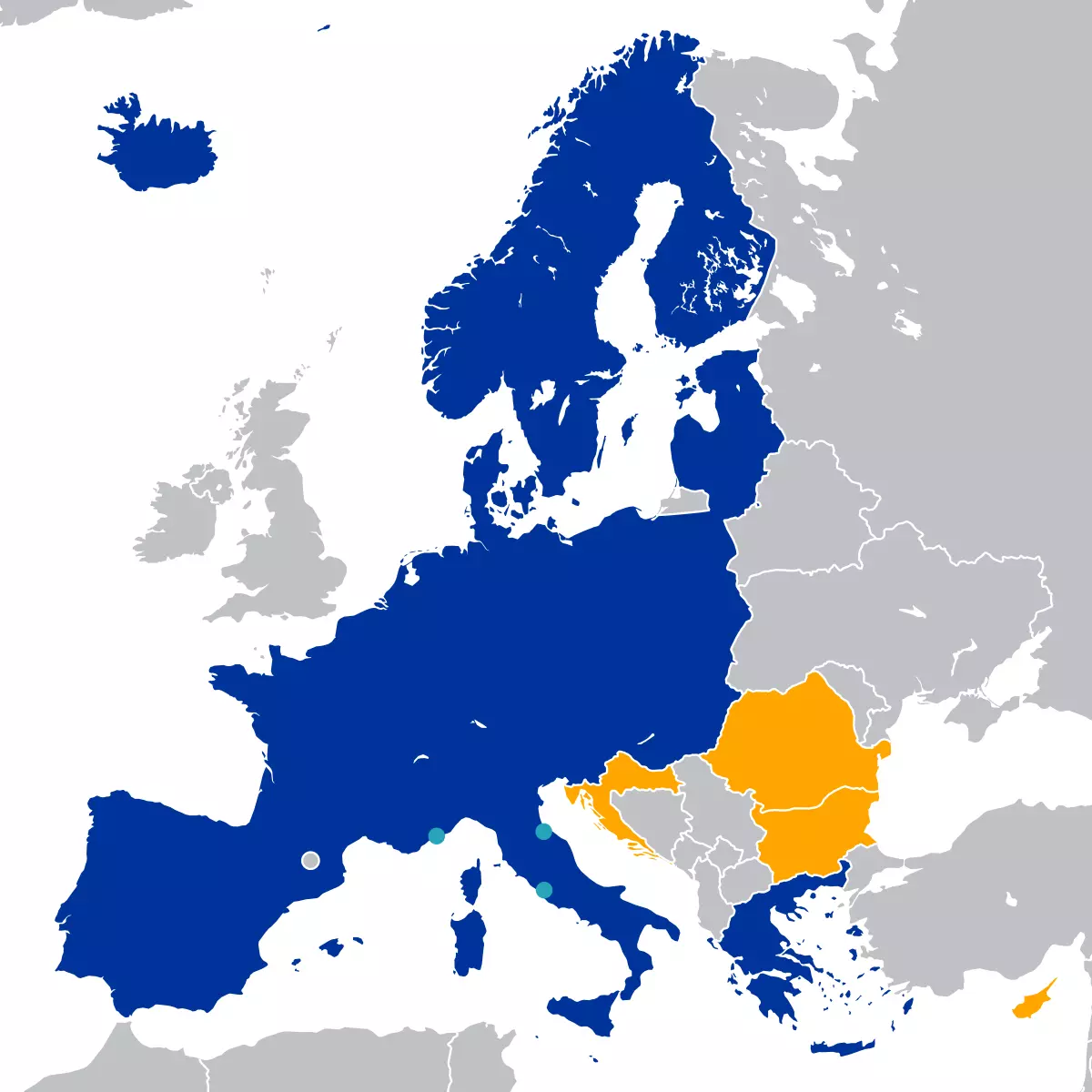
The Schengen Area is a collection of 27 European countries that have agreed to abolish all passport and other forms of border control at their shared borders. For foreign travel, the area mainly acts as a single jurisdiction with a common visa policy. The area is named after the Schengen Agreement, which was signed in Luxembourg in 1985.

The Schengen Area includes 23 of the EUs 27 member states. Three of the Four EU states that are not members of the Schengen Area—Bulgaria, Cyprus, and Romania—are legally obligated to join in the future; Ireland, on the other hand, maintains an opt-out and has its own visa regime. Iceland, Liechtenstein, Norway, and Switzerland are members of the European Free Trade Association (EFTA), however they are not members of the EU.

They have signed accords in conjunction with the Schengen Agreement. In addition, three European microstates—Monaco, San Marino, and the Vatican City—keep open borders for passenger traffic with their neighbours and are thus considered de facto Schengen Area members because it is practically impossible to travel to or from them without passing through at least one Schengen member country.

The Schengen Area covers 4,312,099 square kilometres and has a population of about 420 million people (1,664,911 sq mi).

Every day, around 1.7 million people commute across an internal European border to work, accounting for up to a third of the workforce in some regions. The overall number of Schengen border crossings each year is 1.3 billion. The transfer of commodities by road accounts for 57 million crossings each year, with a total value of €2.8 trillion.

The cost of commerce is reduced by 0.42 percent to 1.59 percent as a result of Schengen, depending on geography, trading partners, and other factors. Countries outside of the Schengen zone benefit as well. The Schengen Areas member states have tightened border controls with non-Schengen countries.

Posted: 4th January 2022
Category:
  • Blog
  • Share:
Get Started

Useful Resources

  • Guide To Visa Fees
  • Schengen Visa Types
  • Supporting Documents Required
  • Schengen Visa Appointment Information
  • Reasons For Refusal
  • How To Submit A Schengen Visa Application